Inverters: Your Home's Unsung Hero During Power Outages & Beyond
A typical home inverter and battery setup, ready to power your essentials.
Picture this: It's a sweltering summer night in Lonavala, and suddenly, the lights flicker and die. The fan grinds to a halt, and your phone charger becomes useless. Frustration, right? This is where your home's unsung hero, the inverter, steps in. More than just a backup power source, inverters are the clever brains behind converting different types of electricity to power our modern lives.
What Exactly is an Inverter? Think of it as a Translator!
In the simplest terms, an inverter is an electronic device that acts like a power translator. It takes direct current (DC) electricity – the kind stored in batteries, generated by solar panels, or produced by fuel cells – and converts it into alternating current (AC) electricity. Why is this translation so crucial? Because almost every appliance in your home, from your refrigerator and television to your laptop charger and lights, runs on AC power!
Without an inverter, all that stored energy in your battery bank would be useless for most of your household needs. It's the essential bridge between the power source and your powered devices.
The Magic Behind the Switch: How Inverters Work
While it might seem like magic when your lights come back on during a blackout, the process inside an inverter is a clever bit of engineering:
- DC Input: The journey begins with the DC power. This could be from your inverter's battery bank, freshly generated by your solar panels, or any other DC source.
- Chopping and Switching: Inside the inverter, sophisticated electronic switches (often transistors) rapidly turn the DC current on and off, creating a fluctuating, pulse-like signal. Imagine it like a very fast chopping motion.
- Voltage Boost (Often): This rapidly switching DC is often fed into a transformer, which then "steps up" the voltage to the desired level for household use (e.g., 230V in India).
- Waveform Shaping: Finally, the inverter takes this stepped-up, fluctuating DC and smooths it out, shaping it into a clean, continuous AC waveform. This waveform is usually a sine wave or a modified sine wave, mimicking the electricity supplied by your utility grid.
Unpacking the Different Faces of Inverters
Not all inverters are created equal. They come in different "flavors," each designed for specific purposes:

Visualizing the difference between a smooth pure sine wave and a stepped modified sine wave.
1. Pure Sine Wave Inverters: The Gold Standard for Your Electronics
- What they do: These are the champions of clean power. They produce an AC waveform that is virtually identical to the electricity you get from the power grid. It's smooth, consistent, and highly reliable.
- Best for: Any sensitive electronics like laptops, medical equipment, modern refrigerators, microwaves, and anything with a motor (like fans or pumps). They prevent humming, overheating, and potential damage to your valuable gadgets.
- Consideration: They tend to be more expensive than other types, but the investment is often worth it for peace of mind and device longevity.
2. Modified Sine Wave Inverters: The Budget-Friendly Option
- What they do: These produce a "stepped" waveform, a cruder approximation of a pure sine wave. Think of it like a staircase instead of a smooth ramp.
- Best for: Less sensitive devices, typically older electronics, resistive loads (like incandescent light bulbs, heaters, or basic toasters), or simple power tools.
- Consideration: They can cause a humming noise in some appliances, may make motors run hotter and less efficiently, and are generally not recommended for sensitive or sophisticated electronics.
3. Square Wave Inverters: A Blast from the Past (Mostly)
- What they do: These are the simplest and cheapest, producing a very rough, square-shaped waveform.
- Best for: Historically, they were used for very basic, non-sensitive applications. Today, they are largely obsolete for household use.
- Consideration: They are highly inefficient and can severely damage or burn out modern electronic devices. Avoid them for anything but the most basic and robust resistive loads.
4. Grid-Tie Inverters: Your Solar System's Best Friend
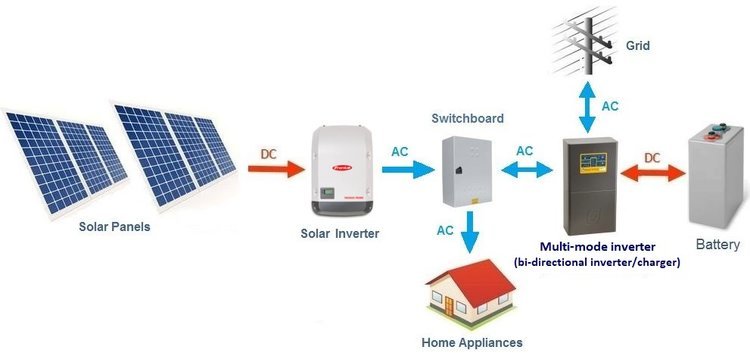
- What they do: Specifically designed for solar power systems, these convert the DC from your solar panels into AC that can be fed directly into the main utility grid. They often have features to synchronize with the grid's frequency and voltage.
- Best for: Homes and businesses with solar panels that want to reduce their electricity bills and potentially earn credits by selling excess power back to the grid.
5. Off-Grid Inverters: For True Energy Independence
- What they do: These are used in standalone power systems where there's no connection to the public electricity grid. They work hand-in-hand with battery banks to store solar or wind energy for use whenever needed.
- Best for: Remote homes, cabins, RVs, boats, or any situation where complete energy independence is desired.
Where Do We Find Inverters? Everywhere!
Inverters are truly the backbone of modern power systems. You'll find them in:
- Home Backup Systems: The most common application, ensuring your lights, fans, and essential appliances stay on during blackouts.
- Solar Power Installations: Converting sunlight into usable household electricity or feeding it back to the grid.
- Uninterruptible Power Supplies (UPS): Providing seamless, instantaneous power to computers, servers, and sensitive medical equipment.
- Recreational Vehicles (RVs) & Boats: Allowing you to power your home comforts on the go.
- Electric Vehicles (EVs): Converting the DC from the battery to AC to power the electric motor.
- Industrial Machinery: Controlling the speed of motors in factories and various heavy equipment.
- Portable Power Stations: Those handy battery packs that let you charge devices or even run small appliances anywhere.
Thinking of Installing an Inverter at Home? Here's What You Need to Know!
Installing an inverter for your home is a significant step towards energy independence. While the exact process varies, here’s a general overview of what's involved and crucial considerations:
A simplified diagram illustrating how an inverter integrates into your home's electrical system.
1. Planning is Key: What Do You Want to Power?
- Calculate Your Load: List all the appliances you want to run during a power cut. Check their wattage (usually listed on a sticker). Add up the total wattage for all items you might run simultaneously. This will determine the required power rating (VA/Watts) of your inverter. Remember that motor-based appliances (refrigerators, pumps) have a high "surge" power requirement when they start up.
- Battery Capacity: The total load will also dictate the required battery capacity (Ah - Ampere-hours). A higher Ah battery means longer backup time.
- Pure Sine Wave vs. Modified: For most modern homes, especially those with sensitive electronics, a pure sine wave inverter is highly recommended.
- Location: Choose a well-ventilated, dry, and cool location for the inverter and batteries. Basements or utility rooms are often suitable. Keep it away from direct sunlight and flammable materials.
2. Components of a Home Inverter System:
- The Inverter Unit: The brain that does the DC-to-AC conversion.
- Batteries: The muscle that stores the energy. Lead-acid batteries are common, but lithium-ion is gaining popularity for its efficiency and lifespan.
- Battery Rack/Box: To safely house the batteries.
- Wiring: Proper gauge wiring is essential to prevent overheating and ensure efficient power transfer.
- Breakers & Fuses: For safety and protection against overloads and short circuits.
- Optional: A dedicated inverter line from your main distribution board to specific power points you want backed up.
⚠ IMPORTANT SAFETY WARNING:
NEVER attempt to install an inverter or battery system yourself if you are not a qualified electrician. Improper installation can lead to severe electrical shock, fire, equipment damage, and voided warranties. Always hire a certified professional for installation.
3. The Installation Process (A Professional's Steps):
- Mounting: The inverter unit is securely mounted on a wall or a stable surface.
- Battery Connection: Batteries are connected in series or parallel (depending on voltage requirements) to the inverter, ensuring correct polarity.
- AC Input/Output Wiring:
- The inverter's AC input is connected to your home's main power supply (to allow battery charging when grid power is available).
- The inverter's AC output is connected to specific circuits in your home that you want to back up. This often involves bypassing certain circuits from the main grid supply.
- Grounding: Proper grounding is crucial for safety.
- Testing: The professional will thoroughly test the system, checking voltage, load handling, and transfer times.
Common Inverter Problems and How to Troubleshoot (or When to Call a Pro)
Even the most robust inverters can encounter issues. Here are some common problems and what they might indicate:
Checking connections is often the first step in troubleshooting inverter problems.
1. Inverter Not Turning On:
- Check Battery Connections: Loose or corroded terminals.
- Battery Charge: Is the battery completely drained? The inverter might have a low-voltage cut-off.
- Main Switch/Breaker: Is the inverter's main switch on? Are any associated circuit breakers tripped?
- Fuse Blown: Check if any internal or external fuses are blown.
- Overload: If it recently shut down, it might be due to an overload. Remove some appliances and try restarting.
2. Short Backup Time:
- Battery Age: Batteries have a limited lifespan (typically 2-5 years for lead-acid). Old batteries lose capacity.
- Overloading: You're drawing more power than the inverter's capacity. Disconnect some appliances immediately.
- Frequent Power Cuts: If power cuts are very frequent and long, the battery might not get enough time to fully recharge.
- Battery Water Level (for Lead-Acid): Low electrolyte levels in unsealed lead-acid batteries can severely impact performance.
3. Overload Alarm/Shutdown:
- Too Many Appliances: You're drawing more power than the inverter's capacity. Disconnect some appliances immediately.
- High Startup Surge: Appliances with motors (fridge, AC) have a high power surge when they start. Ensure your inverter can handle this.
- Faulty Appliance: A short circuit in an appliance could cause an overload.
4. Humming Noise from Appliances:
- Modified Sine Wave Inverter: This is a classic symptom if you have a modified sine wave inverter running sensitive electronics or motor-based appliances.
- Loose Wiring: Less common, but could indicate a wiring issue.
- Harmonics: Sometimes, issues with the appliance itself or grid harmonics can contribute.
5. Battery Not Charging:
- No Grid Power: Is the main power supply to the inverter present?
- Tripped Breaker: Check the circuit breaker feeding power to the inverter.
- Faulty Charger Section: The internal charger in the inverter might be faulty (requires professional repair).
- Battery Problems: A deeply discharged or sulfated battery might not accept a charge.
Pro Tip for Troubleshooting:
Always start with the simplest checks: power cords, switches, circuit breakers, and battery connections. If the problem persists or you're unsure, it's always best to call a qualified inverter technician.
Maintenance Tips for a Long-Lasting Inverter
To ensure your inverter serves you well for years, consider these maintenance tips:
- Keep it Clean: Dust and debris can cause overheating. Regularly clean the vents and exterior.
- Check Battery Water Levels (Lead-Acid): For unsealed lead-acid batteries, regularly check and top up distilled water to the recommended level. Wear gloves and eye protection.
- Inspect Connections: Periodically check battery terminals for corrosion. Clean them with a wire brush if needed and apply petroleum jelly to prevent future corrosion.
- Ventilation: Ensure the inverter and batteries have ample clear space around them for proper airflow.
- Avoid Overloading: Be mindful of how many appliances you run simultaneously to avoid stressing the inverter.
- Regular Usage: Even if power cuts are rare, it's good practice to discharge and recharge the battery completely once every few months to keep it healthy.
Inverters are truly remarkable devices that have transformed how we deal with power fluctuations and outages. By understanding how they work, the different types available, and how to maintain them, you can ensure your home remains powered and productive, no matter what the grid throws your way. They are indeed the unsung heroes, silently working to keep our lives running smoothly.
No comments